
The stone route in Martigues: from rock to monuments

Welcome to Martigues! While our city is renowned for its canals and maritime charm, it also boasts a fascinating geological heritage.
 
Since ancient times, the subsoil of Martigues has yielded exceptionally high-quality stone that has shaped the face of our city and left its mark far beyond Provence. Discover the historic quarries and the master builders of the past in this comprehensive guide.
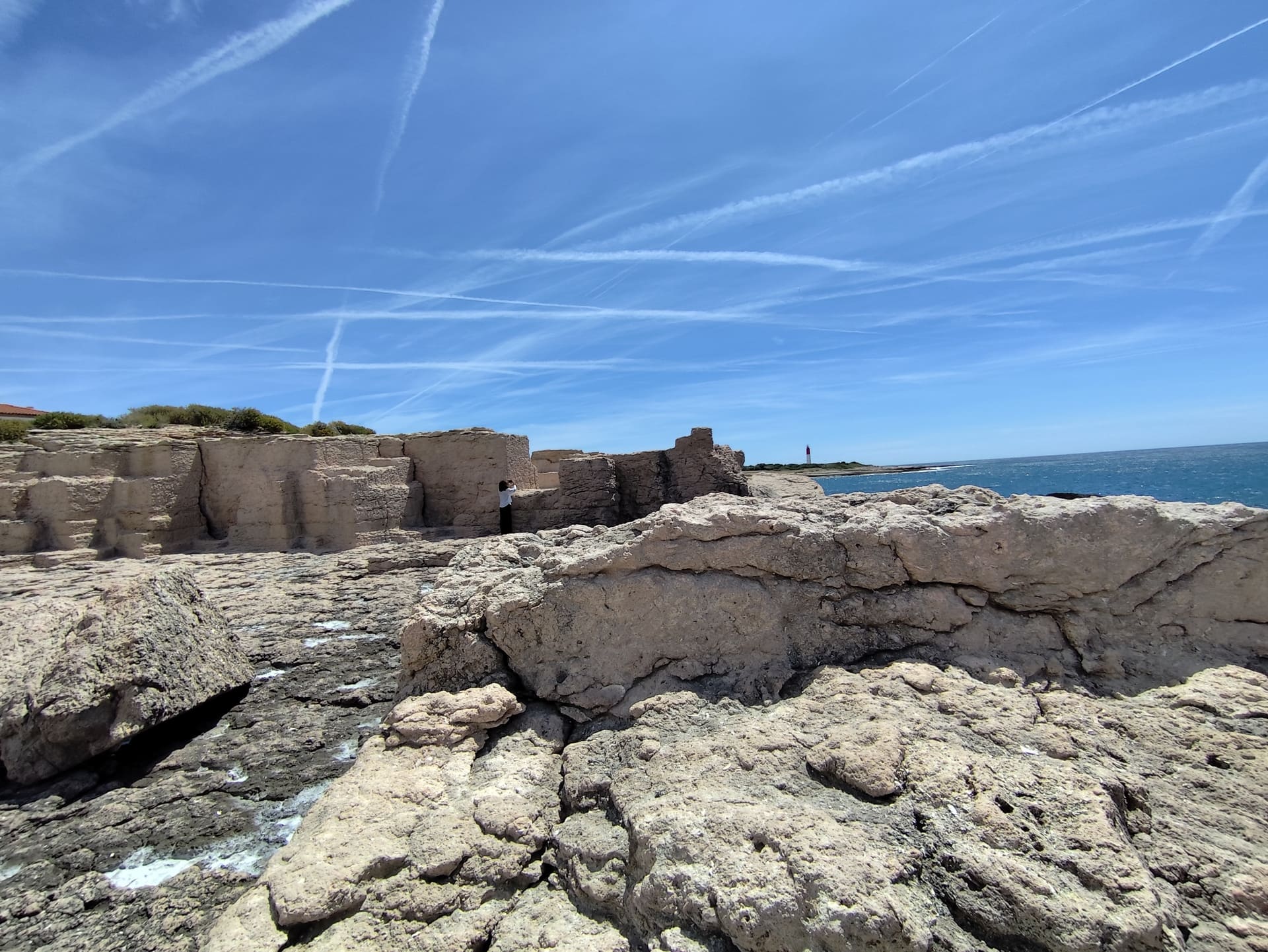
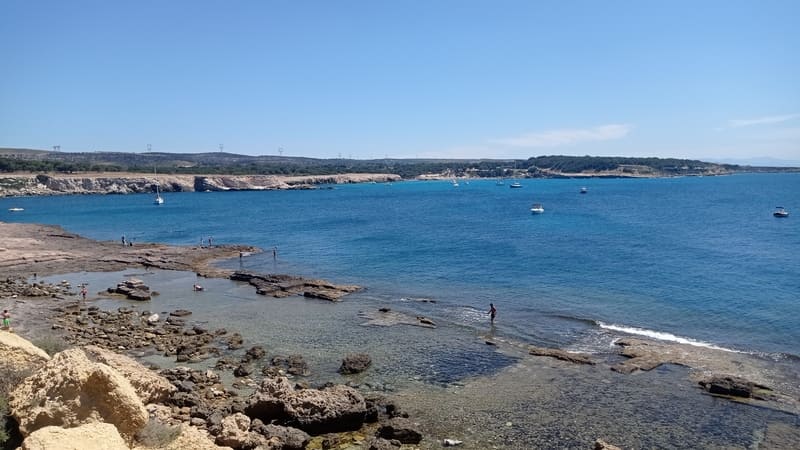
  • Baou Tailla stone quarries in Carro, Martigues; history of the stone cutters and the monuments built in Marseille - © Otmartigues / MyriamF

Stone Masons: The Unsung Artisans of Provençal Architecture

At the heart of the history of the Martigues quarries lie the stone masons—expert artisans whose know-how was passed down through generations. Organized into true guilds—such as the one that expanded the church of La Couronne in 1669—they mastered the art of stereotomy: the application of geometry to stone cutting. At the extraction sites, these workers would trace the precise outlines of future architectural elements (columns, voussoirs, cornices) directly onto the rock face before detaching them. Their legacy remains visible today on the quarry faces, where tool marks and assembly guides can still be seen on stones destined for the region's finest buildings.

From Ancient Quarries to the Coastal Path: A Hike Between Land and Sea

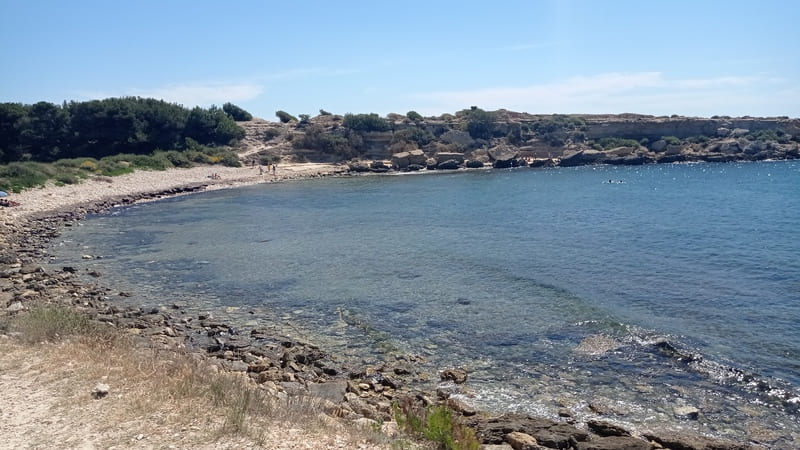
The Martigues area is home to six major quarrying sites, the most iconic being La Couronne. This sector alone encompasses 18 quarries worked from the 2nd century BC to the 19th century, renowned for their beige and pink limestone rich in marine fossils. To discover this exceptional heritage, follow the "Stone Quarries Loop" (*Boucle des Carrières de Pierre*), a 12-kilometer interpretive trail connecting eight major sites (Baou Tailla, Beaumaderie, Pointe de Carro, etc.). Along the way, you will encounter spectacular remnants: ancient tracks with ruts worn by Roman carts, quarrymen's stone huts (*bories*), and quarries that are now partially submerged by the sea (such as Beaumaderie and Verdon 1) due to the gradual subsidence of the coastline.
  • Stone quarry submerged by the sea at L'Arquet, on the Martigues side of the Côte Bleue; visible along the Martigues stone quarry trail - © Otmartigues / MyriamF
  • La Couronne stone quarries—worked by Martigues stone cutters—a point of interest on the Martigues stone quarry hiking loop - © Otmartigues / MyriamF

Martigues’ Stone Architectural Heritage

Hôtel Colla de Pradines

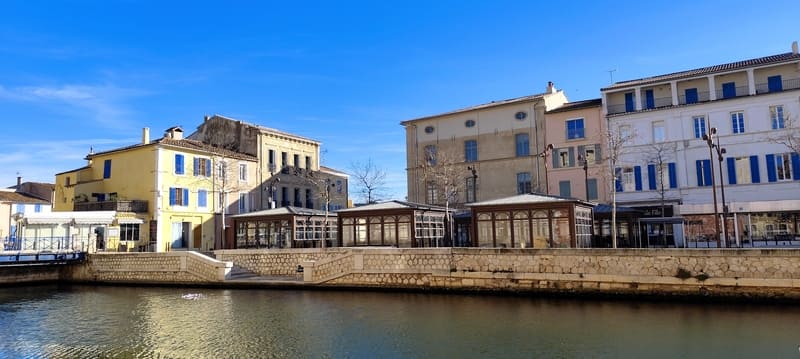
Located in the heart of the île district, this private mansion bears witness to the prestige of the grand 17th-century residences of Martigues. The order for dressed stone, placed in early 1677, illustrates a subtle blend of local materials: Font-Sarade limestone for the fine facing, accented with conglomerate stone from the Notre-Dame des Marins hill. The classical façade reflects the architectural richness made possible by the quality of the local stone.
 

Church of La Madeleine

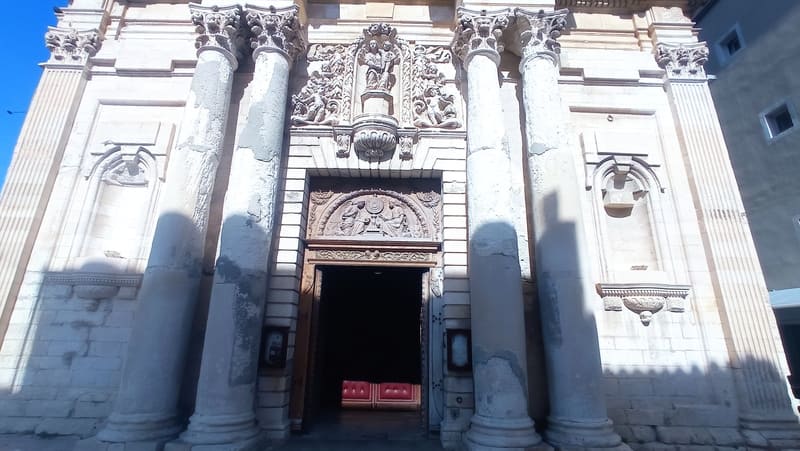
Built between 1673 and 1676, the Church of La Madeleine is distinguished by its majestic Baroque façade. The imposing columns adorning its entrance, as well as its structural elements, were crafted from limestone quarried at Font-Sarade. Combined with other Provençal stones, the rock offers a texture and warm hue that react beautifully to the light of the setting sun.
 

Church of Saint-Genest

Built starting in 1664 in Jonquières, the Church of Saint-Genest was one of the first major 17th-century religious construction projects in Martigues to utilize local mineral resources. Its structure combines Font-Sarade limestone with traditional Provençal stone. This combination ensures the building's great stability and a restrained style typical of Provençal religious architecture from that era.
 

Chapel of L'Annonciade

A true gem nestled within the town, the Chapel of L'Annonciade surprises visitors with its rich interior décor and unique masonry. Its construction showcases the versatility of materials from Martigues: Font-Sarade limestone sits alongside Provence stone, while the foundations and wall cores incorporate puddingstone pebbles quarried at Notre-Dame des Marins. It is a perfect illustration of the variety of resources utilized in a single structure.
  • Hôtel Colla de Pradines, built using stone from Martigues quarries by Font-Sarade stone cutters - © Otmartigues / MyriamF
  • Columns and doorway of the Church of Sainte-Marie-Madeleine in the L'Île district of Martigues, built using stone from coastal and town-center quarries in ancient times - © Otmartigues / MyriamF
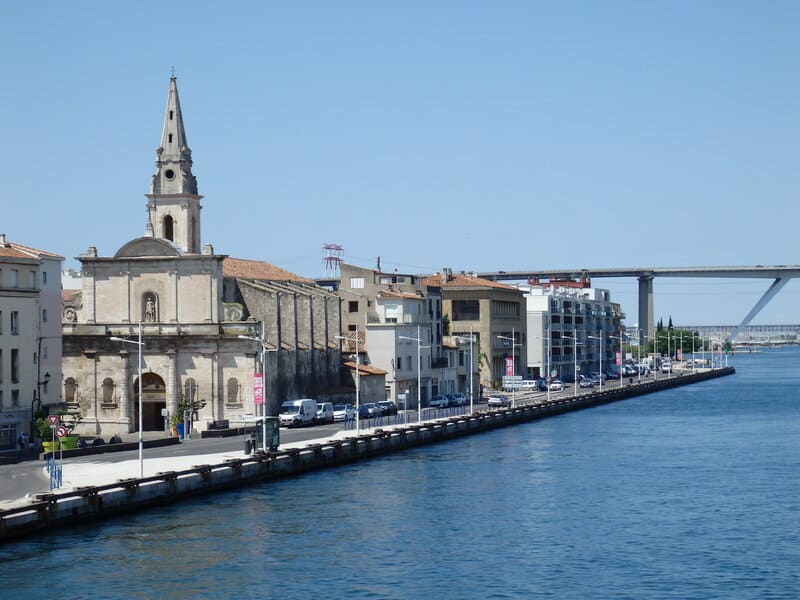
  • Church of Saint-Genest, visible from the Martigues quays and built by stone cutters, as was the Chapelle de l'Annonciade located behind it - © Otmartigues / MyriamF
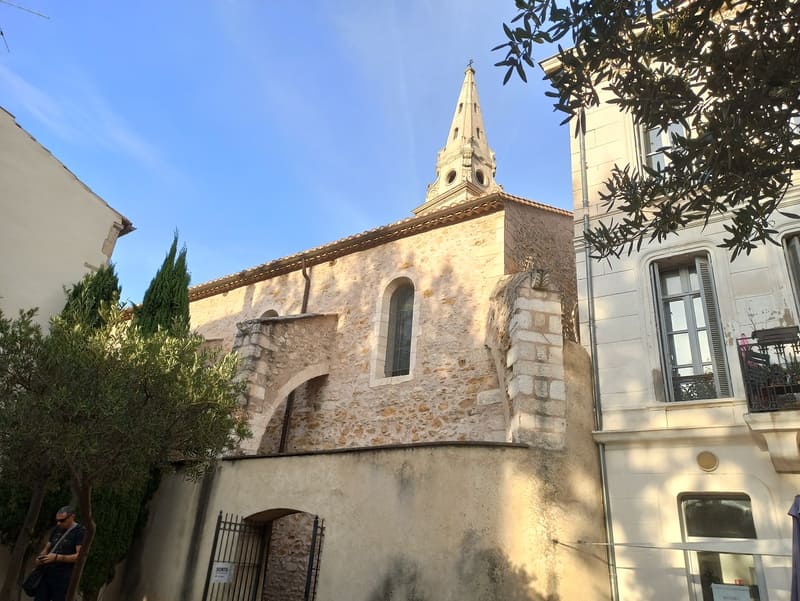
  • Garden of the Chapelle de l'Annonciade—built with stone from the quarries—a historic religious building in Martigues - © Otmartigues / KarimK

The Reach of Martigues Stone – Beyond the City

The renown of Martigues stone has extended far beyond the town's borders. Thanks to the proximity of the coast and maritime transport—which was significantly less expensive than land transport—blocks of stone from Martigues were exported throughout the region. In Marseille, stone from La Couronne and L'Oratoire was used to construct the Palais Longchamp, the staircases at Saint-Charles station, the Basilica of Notre-Dame de la Garde, Fort Saint-Jean, and the Vieille Charité. It also features in monuments of national significance, such as the Palais des Papes in Avignon, the Arsenal Gate in Toulon, and the staircase at the Pont Alexandre III in Paris.