

Lei Fieloua bring joy to the streets of Jonquières
Entertainment/recreation Folk music Local festivalPlace : Cours du 4 Septembre

Place
Cours du 4 Septembre
13500
Martigues
Presentation
The fieloua (or fielouso, cattail) dance is part of the carnival cycle in Provence.
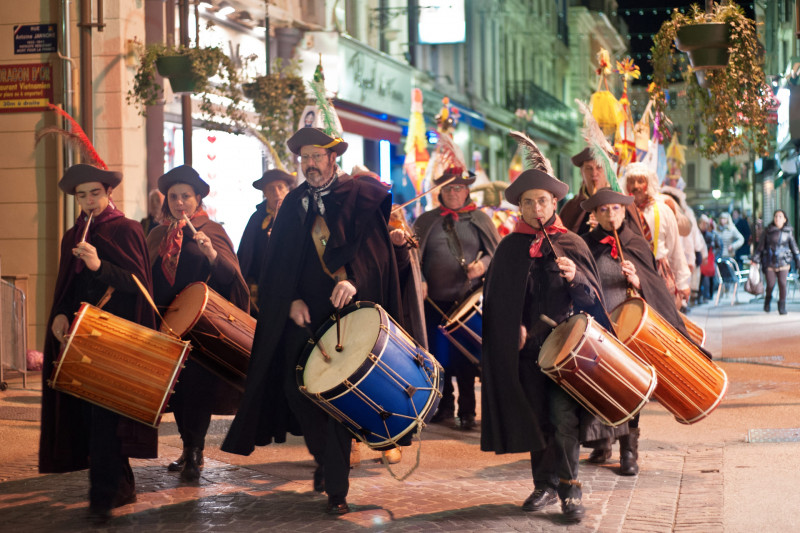
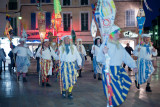
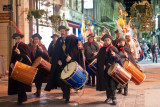
As soon as it gets dark, they set off through the town, preceded by the indispensable tambourine and the harlequin who leads the way.
As soon as it gets dark, they set off through the town, preceded by the indispensable tambourine and the harlequin who leads the way.
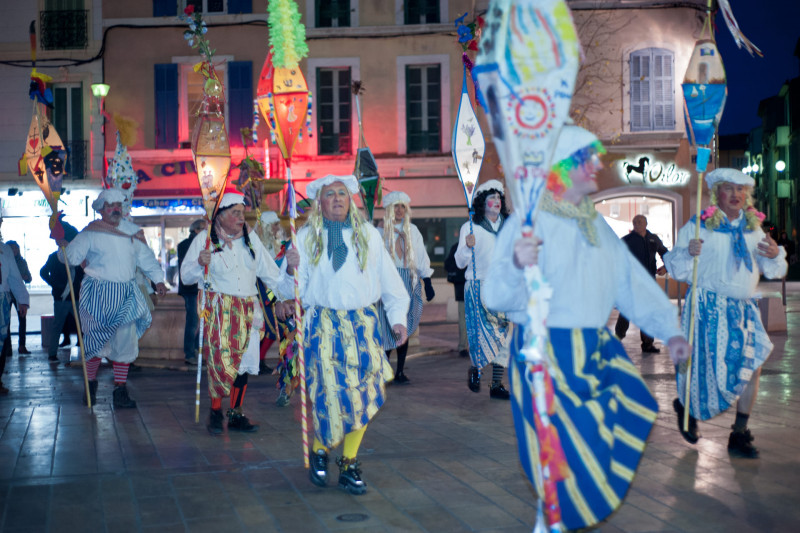
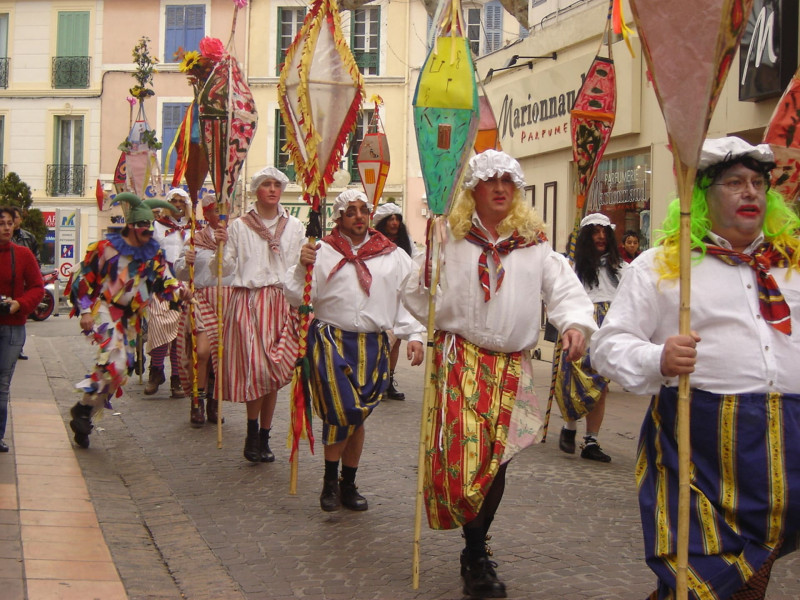
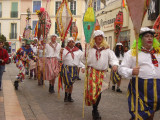
Each dancer is provided with a very long distaff which he wraps at the top with a strip of colored paper and containing a burning candle.
The head of the masquerade (ARLEQUIN) with a whistle on board, gives the signal for the cross hunt, steps and counter steps ... The look of this dance is really curious, and by the play of lights which cross, and by the variety of colors of the paper, because each dancer has a different color for his distaff.
As this masquerade only takes place from time to time, there is always a huge crowd that hurries to hear the song and applaud the dancers at the end of each verse.
The dance of fieloua (or fielouso, distaff) is part of the carnival cycle in Provence. Its origin goes back to the dawn of time and it is very difficult to decipher all the ancestral symbols and rites that it could represent. Obviously, the distaff and the bells at the ankle symbolize the masculine attributes and one can think of a magic rite linked to fertilization, to the germination of seeds planted thanks to solar radiation (light). This dance also symbolizes the time that is made and unmade.
The dancers parade on 2 lines: they advance, retreat, cross while the harlequin commutes and leads the troop while twirling in his coat of light. It weaves over time and passes from the visible world to the invisible world ...
The parade stops in the places where we sing silly couplets, mockers, rascals, traditional or invented for the occasion. The dancers and the audience take up the end of each verse.
The head of the masquerade (ARLEQUIN) with a whistle on board, gives the signal for the cross hunt, steps and counter steps ... The look of this dance is really curious, and by the play of lights which cross, and by the variety of colors of the paper, because each dancer has a different color for his distaff.
As this masquerade only takes place from time to time, there is always a huge crowd that hurries to hear the song and applaud the dancers at the end of each verse.
The dance of fieloua (or fielouso, distaff) is part of the carnival cycle in Provence. Its origin goes back to the dawn of time and it is very difficult to decipher all the ancestral symbols and rites that it could represent. Obviously, the distaff and the bells at the ankle symbolize the masculine attributes and one can think of a magic rite linked to fertilization, to the germination of seeds planted thanks to solar radiation (light). This dance also symbolizes the time that is made and unmade.
The dancers parade on 2 lines: they advance, retreat, cross while the harlequin commutes and leads the troop while twirling in his coat of light. It weaves over time and passes from the visible world to the invisible world ...
The parade stops in the places where we sing silly couplets, mockers, rascals, traditional or invented for the occasion. The dancers and the audience take up the end of each verse.
Public parking
Opening period (s)Saturday 7 March 2026 from 6.30 pm.
Practical information
- Environments :
- In centre of town
Facilities, services, amenities
- Sitra promotion typology :
- Open air
- Night-time outings
- Adapted offers :
- Children
Tarifs
Free of charge.
Destination
13500
Martigues
GPS coordinates
Latitude : 43.402616
Longitude : 5.055131